
When homeowners are quoted for a consumer unit upgrade, one of the most common questions we hear is:
“Why do the meter tails need changing as well?”
It’s a fair question. Meter tails aren’t something most people ever think about, but they play a critical role in the safety and reliability of your electrical system. In many cases, replacing them isn’t optional. It’s part of doing the job correctly.
What are meter tails?
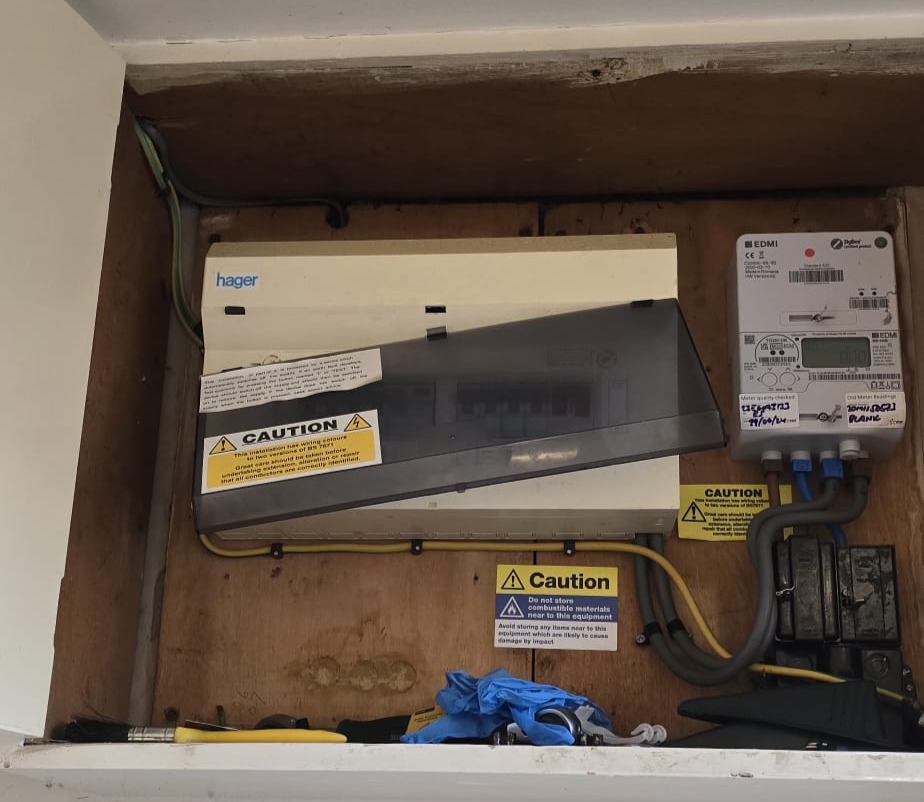
Meter tails are the main cables that supply electricity from the electricity meter to your consumer unit (fuse board).
They carry the full electrical load of the property. Everything in the house relies on them. If they’re undersized, damaged, or deteriorated, the entire installation is compromised, regardless of how modern the new consumer unit is.
Why older meter tails are often no longer suitable
In many properties, especially those built or rewired years ago, meter tails are commonly found to be:
Undersized, often 16mm²
Installed before modern electrical demands
Showing signs of insulation wear or heat damage
Homes today use significantly more electricity than they did even 15–20 years ago. Electric showers, induction hobs, EV chargers, heat pumps, and modern appliances all increase demand. Older tails were simply not designed with this in mind.
Modern consumer units are typically designed to be supplied with 25mm² meter tails. Anything smaller often no longer meets current safety expectations.
Why meter tails are checked during a consumer unit upgrade
A consumer unit upgrade isn’t just about swapping a box on the wall. It’s about ensuring the entire supply feeding that unit is safe and suitable.
Before installing a new consumer unit, a competent electrician must assess:
The size of the existing meter tails
Their condition
Their suitability for the new consumer unit
Whether they comply with current standards
If the supply cables feeding the new board are inadequate, fitting a new consumer unit without addressing them would be poor practice.
The risks of leaving old or undersized meter tails in place
Meter tails that are too small or in poor condition can lead to:
Overheating under load
Loose or stressed terminations
Increased fire risk
Nuisance faults or failures
These issues are often hidden. They don’t announce themselves until something goes wrong. A new consumer unit cannot compensate for an inadequate supply cable feeding it.
Is upgrading meter tails an upsell?
No. When recommended correctly, it’s a safety and compliance issue.
A professional electrician will not automatically replace meter tails on every job, but they will always inspect them. If the existing tails are undersized, damaged, or unsuitable for the new installation, upgrading them is the responsible course of action.
Cutting corners here saves very little money and introduces unnecessary risk.
How meter tail upgrades are handled
Where a meter tail upgrade is required, it is planned properly. This may involve:
Safe isolation of the supply
Correct sizing of new tails
Secure, compliant terminations
Coordination where required
The goal is a safe, reliable supply that matches the standard of the new consumer unit being installed.
Doing the job properly
A consumer unit upgrade should improve the safety of your home, not just its appearance.
Replacing meter tails where necessary ensures the new fuse board is supplied correctly, operates as intended, and remains safe for years to come. It’s not about adding unnecessary work. It’s about completing the upgrade as a system, not as a cosmetic change.